- +91 9489428074
- sales@sangamagro.com
- Mon - Sat: 9:00 - 19:00
Service Details
- Home
- Agri Division
Seeds
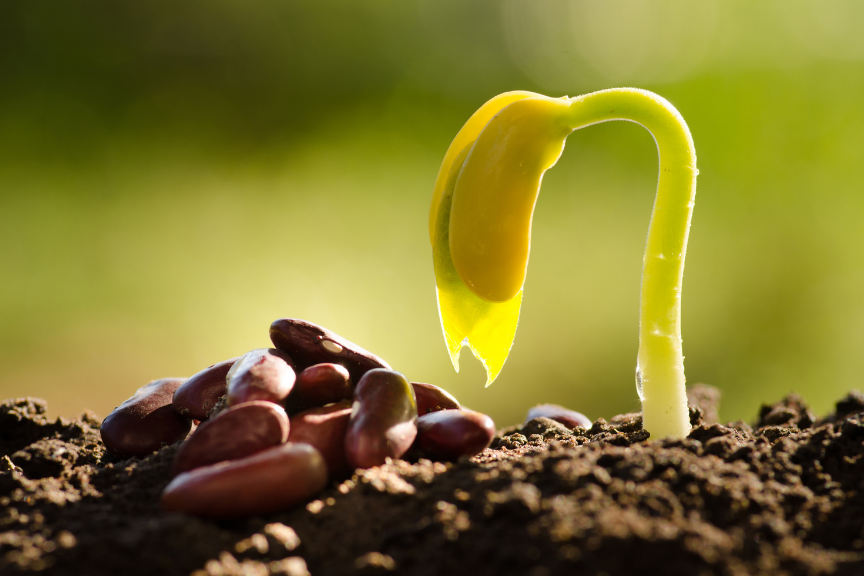
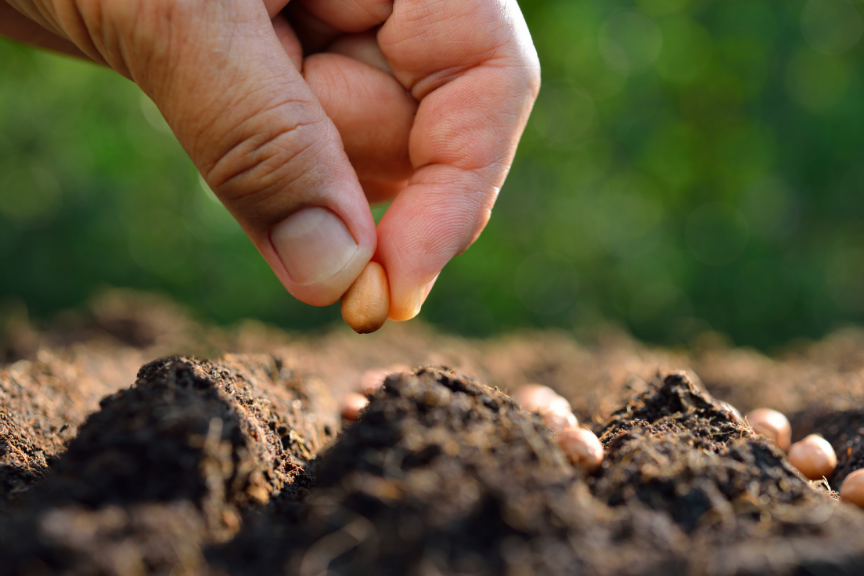
Seeds are the foundation of human and animal life on earth. Seeds are used to propagate many crops such as cereals, legumes, forest trees and pasture grasses. They are what give plants their ability to grow and survive in a world with changing conditions. Seeds are a fundamental part of agriculture, serving as the primary means of reproduction for most plants. The quality, type, and handling of seeds significantly affect crop yield, quality, and disease resistance.
Here’s an overview of the key aspects related to seeds in agriculture:
- Types of Seeds
- Open-Pollinated Seeds
- Hybrid Seeds
- GMO (Genetically Modified Organism) Seeds
- Seed Quality
- Germination Rate
- Purity
- Seed Health
- Moisture Content
- Seed Treatment
It is the process of applying chemicals or biological agents to seeds before planting. The goal is to protect the seed from diseases, pests, or environmental stress.
Treatments can include:
- Fungicides and Insecticides
- Biological Seed Treatments
- Coating
- Seed Storage
Proper storage is critical to maintaining seed viability and quality. Key storage principles include:
- Cool and Dry Conditions
- Low Humidity
- Air-tight Containers
- Seed Selection
Selecting the right seed variety for a specific environment is key to maximizing agricultural productivity.
Factors to consider include:
- Climate Adaptability
- Soil Type
- Pest and Disease Resistance
- Seed Sowing
Techniques The method of sowing seeds can vary depending on the crop, location, and farming practices:
- Direct Sowing
- Transplanting
- Drill Sowing
- Seed Banking
Conservation Seed banks are facilities that store seeds for future use. These seed collections are crucial for preserving biodiversity, especially for endangered plant species or crops that might be threatened by climate change, pests, or diseases. Seed banks often store seeds in a dormant state to maintain genetic diversity and ensure food security.
- Seed Certification and Standards
In many countries, seed certification programs ensure that seeds meet certain quality standards. These programs typically test for:
- Purity
- Germination Rate
- Pest-Free 9. Challenges in Seed Agriculture
- Seed Contamination
- Seed Patents
- Climate Change
- Advances in Seed Technology
- Precision Agriculture
- Seed Coating Innovations
- CRISPR and Gene Editing Seeds are vital to agriculture, influencing crop yield and disease resistance.
Advances in seed technology and careful management and selection play a critical role in feeding the growing global population and ensuring food security. Proper seed treatment, storage, and sowing practices can help farmers improve productivity and reduce losses due to pests, diseases, and unfavorable environmental conditions.
AMC(Annual Maintenance Contract) Based Farm Management

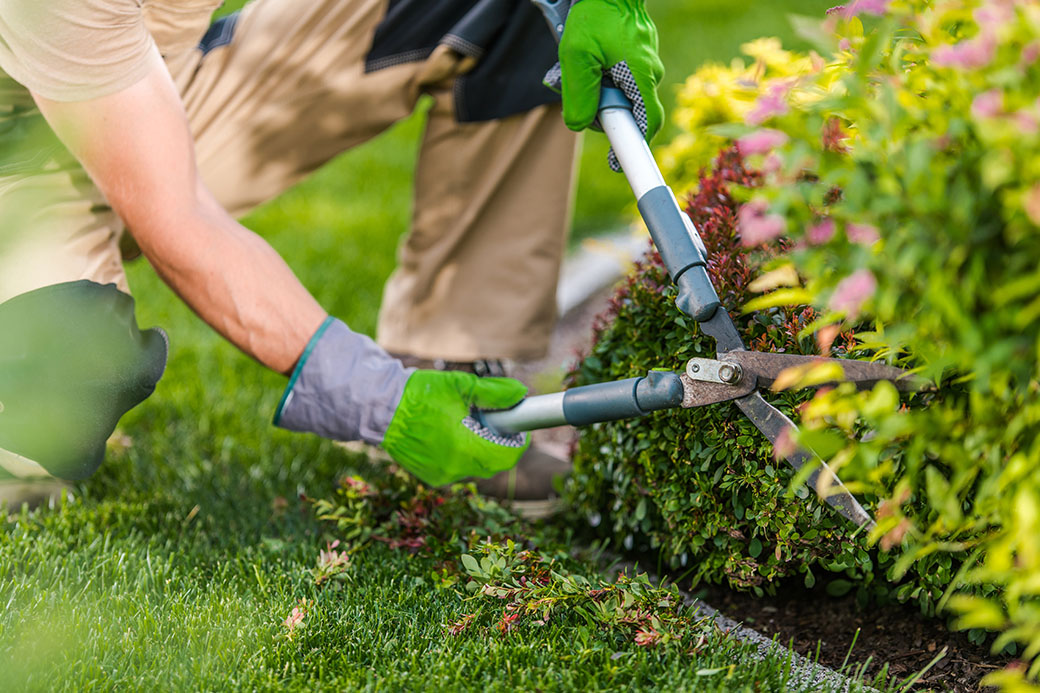
AMC can be used in farm management to improve soil health and crop productivity by increasing seed germination, root elongation, and plant immunity. It can also improve soil fertility and enhance crop yields by up to 20%. AMC-based farm management, or Agricultural Management Center (AMC)-based Farm Management, is a strategic approach to managing agricultural operations. It incorporates various technological tools, data analysis, and decision-making processes to optimize farm productivity, efficiency, and sustainability. AMC-based farm management typically involves the integration of Advanced Management Centers, data-driven systems, and agricultural best practices to address challenges in modern farming. Here’s a detailed overview of AMC-based farm management:
- What is AMC-Based Farm Management?
AMC-based farm management involves the use of centralized management systems (often supported by digital platforms) that integrate data, technology, and expert systems to assist farmers in making informed decisions. These centers help farmers manage various aspects of their farm, from soil health and crop selection to irrigation, pest management, and labor management. The goal is to streamline operations, reduce costs, improve crop yields, and ensure sustainable practices.
- Key Components of AMC-Based Farm Management
- Centralized Data Collection and Analysis
- Farm Data Integration
- Data Processing
- Precision Agriculture Tools
- GPS and GIS
- Drones and Remote Sensing
- Variable Rate Technology (VRT)
- Farm Management Software (FMS)
- Decision Support Systems
- Crop and Soil Health Monitoring
- Supply Chain Integration
- Logistics Management
- Inventory Management
- Risk Management and Financial Planning
- Financial Analysis
- Risk Mitigation
- Benefits of AMC-Based Farm Management
- Increased Efficiency
- Resource Optimization
- Labor Optimization
- Improved Productivity and Yield
- Data-Driven Decisions
- Early Detection of Problems
- Sustainability and Environmental Benefits
- Reduced Environmental Impact
- Soil Health Preservation
- Financial Gains
- Cost Reduction
- Better Profit Margins
- Technologies Supporting AMC-Based Farm Management
- IoT and Smart Sensors
- Artificial Intelligence (AI) and Machine Learning (ML)
- Blockchain Technology
AMC-based farm management represents a modern, integrated approach to farming that leverages technology, data analysis, and expert systems to increase farm efficiency, sustainability, and profitability. By using advanced tools like precision agriculture, farm management software, and real-time data, farmers can optimize their operations, minimize risks, and make better decisions. However, challenges related to cost, data interpretation, and technology adoption need to be addressed for wider implementation, especially among smallholder farmers.
Farm Automation
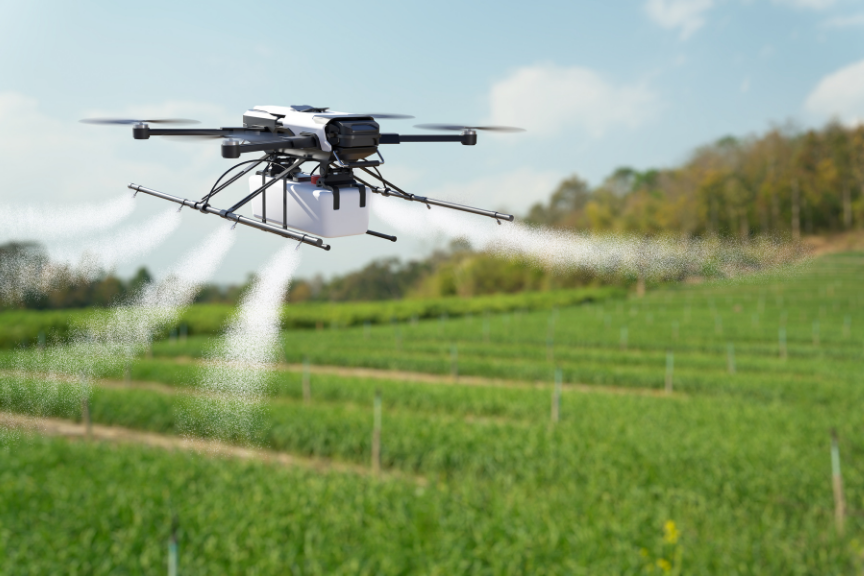
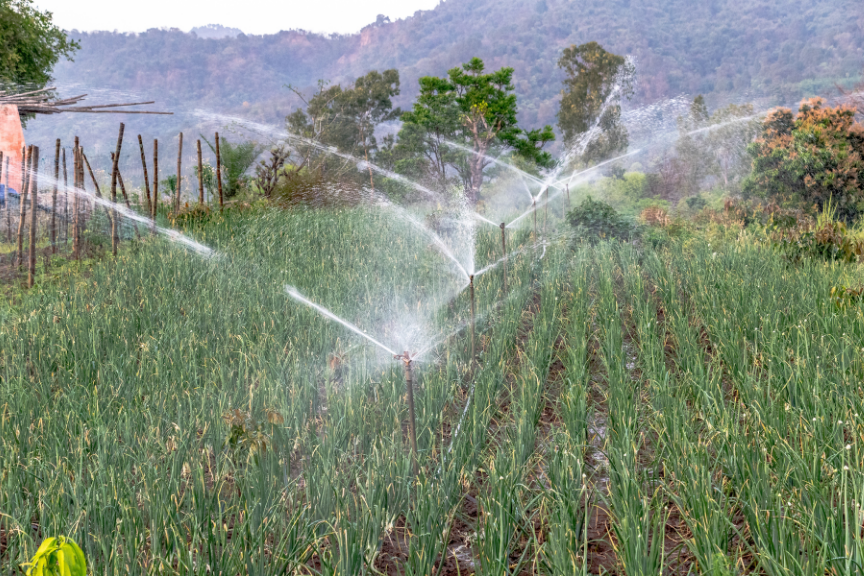
Farm automation is necessary for the betterment of farming. It saves a lot of resources of farmers and, therefore, helps the farmer to a great extent. We will provide you with many more farm automation systems like automation timer, temperature controllers, humidity controllers, buzzers and etc. Farm automation refers to the use of advanced technologies and systems to perform agricultural tasks with minimal human intervention. It involves the integration of machinery, robotics, sensors, artificial intelligence (AI), machine learning (ML), and data analytics to improve the efficiency, productivity, and sustainability of farming operations. Farm automation can apply to various aspects of farming, including planting, irrigation, fertilization, harvesting, and pest management.
- Key Components of Farm Automation
It incorporates several technologies and systems that work together to streamline farm processes.
- Robotics
- Robotic Harvesting
- Weeding Robots
- Planting and Seeding Robots
- Drones and UAVs (Unmanned Aerial Vehicles)
- Field Monitoring
- Crop Spraying
- Precision Mapping
- Autonomous Tractors and Equipment
- Self-Driving Tractors
- Autonomous Sprayers
- Harvesting Equipment
- Automated Irrigation Systems
- Precision Irrigation
- Drip and Sprinkler Systems
- Smart Irrigation Controllers
- Sensors and IoT (Internet of Things)
- Soil Sensors
- Climate Sensors
- Crop Health Sensors
- AI and Machine Learning
- Predictive Analytics
- Decision Support Systems
- Precision Agriculture
- Benefits of Farm Automation
Farm automation offers numerous advantages that can enhance farm productivity, efficiency, and sustainability:
- Increased Efficiency
- Improved Crop Yields
- Cost Savings
- Sustainability
- Labor Shortages
Farm automation is transforming agriculture by leveraging advanced technologies to increase efficiency, productivity, and sustainability. The integration of robotics, drones, sensors, AI, and autonomous machinery enables farmers to optimize their operations, reduce costs, and minimize environmental impact. While there are challenges, particularly related to cost and technical expertise, the potential benefits of farm automation make it a promising solution for modern farming. As technology continues to evolve, farm automation will likely become more accessible, scalable, and integral to global food production systems.
Agri Robotics
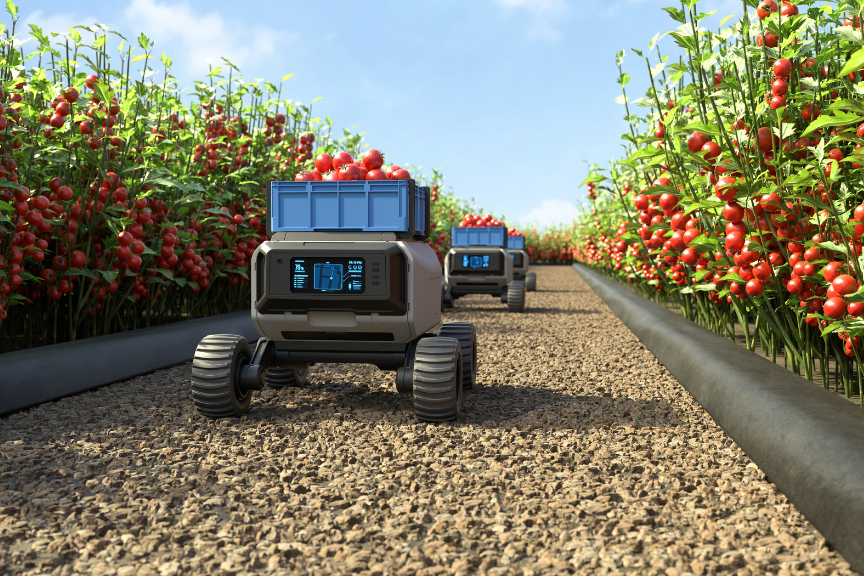
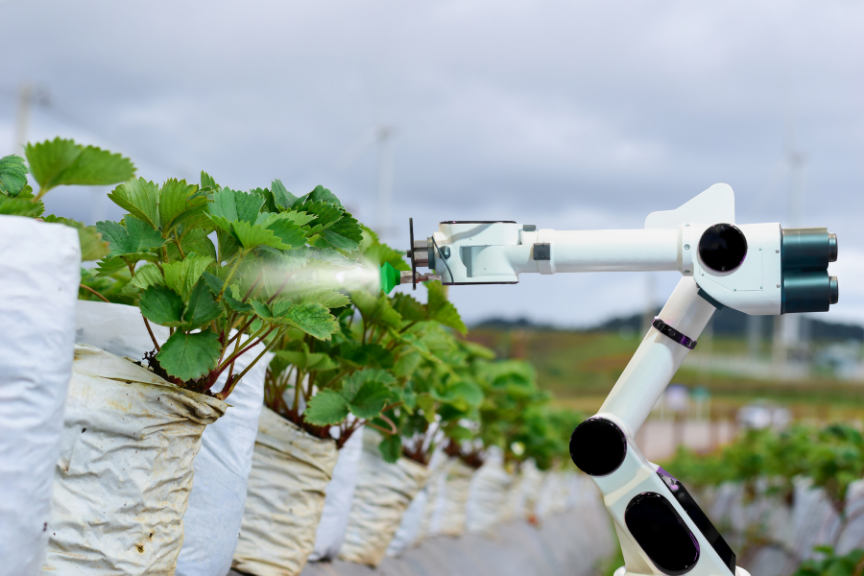
An agricultural robot is a robot deployed for agricultural purposes. The main area of application of robots in agriculture today is at the harvesting stage. Robots can be used for other horticultural tasks such as pruning, weeding, spraying and monitoring. Robots can also be used in livestock applications (livestock robotics) such as automatic milking, washing and castrating. Robots like these have many benefits for the agricultural industry, including a higher quality of fresh produce, lower production costs, and a decreased need for manual labor. Agri-Robotics refers to the use of robots in agriculture to automate tasks traditionally performed by human labor, improve farm efficiency, and increase precision in various farming operations. By leveraging robotics, artificial intelligence (AI), machine learning (ML), and other advanced technologies, agri-robots help in automating time-consuming, labor-intensive, and repetitive tasks such as planting, harvesting, weeding, pruning, and monitoring crops. Agri-robots can work autonomously or under the guidance of human operators, depending on the application.
- Types of Agricultural Robots
- Robotic Harvesters
- Fruit Harvesting Robots o FFRobotics o Octinion’s Rubion
- Vegetable Harvesters
- Weeding Robots
- Autonomous Weeders
- Mechanical Weeding
- Planting and Seeding Robots
- Seeding Robots
- Automated Planters
- Crop Monitoring and Inspection Robots
- Field Monitoring Robots or Ripe Robotics or Agrobot
- Drones for Crop Surveillance
- Autonomous Tractors and Field Robots
- Self-Driving Tractors
- Field Robots for Tillage and Plowing
- Pruning and Harvesting Robots for Vineyards
- Vineyard Robots
- Grape Harvesting Robots
- Soil and Environmental Monitoring Robots
- Soil Sensors
- Environmental Monitoring
- Benefits of Agri-Robotics
- Increased Efficiency
- Cost Reduction
- Sustainability
- Improved Crop Health
- Labor Shortage Solution
- Benefits of Agri-Robotics
The future of agri-robotics looks promising, with ongoing advancements in AI, machine learning, and robotics that will continue to enhance the efficiency and capabilities of robots. As technology becomes more affordable and accessible, more farms, especially large-scale and industrial farms, are likely to adopt agri-robots. Furthermore, with a focus on sustainability, agri-robots will play a significant role in reducing the environmental impact of farming. Agri-robotics is revolutionizing the agricultural industry by automating repetitive, labor-intensive tasks and introducing precision and efficiency to farming practices. With innovations in robotics, AI, and machine learning, agri-robots can help increase productivity, reduce costs, and improve the sustainability of agriculture. Despite challenges related to cost, technical expertise, and environmental factors, the continued development and adoption of agri-robots hold significant promise for the future of agriculture.
Orchards Development
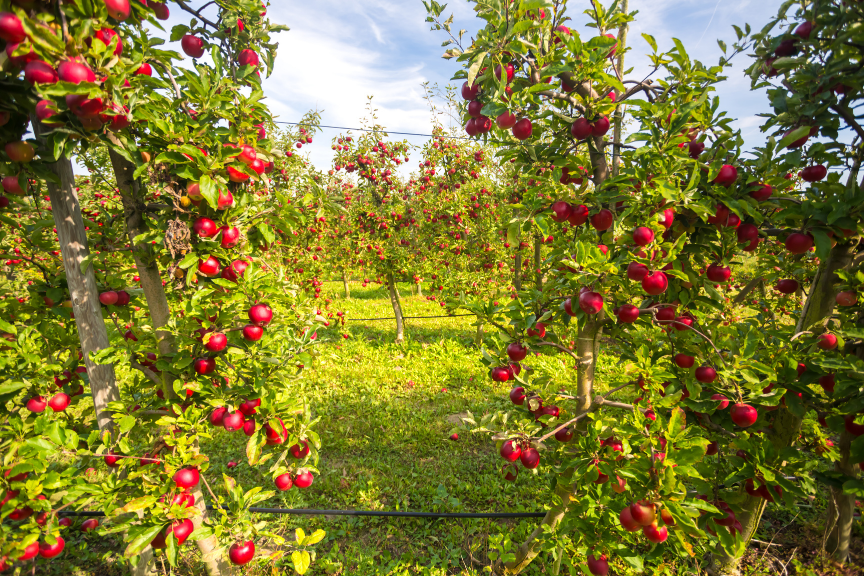
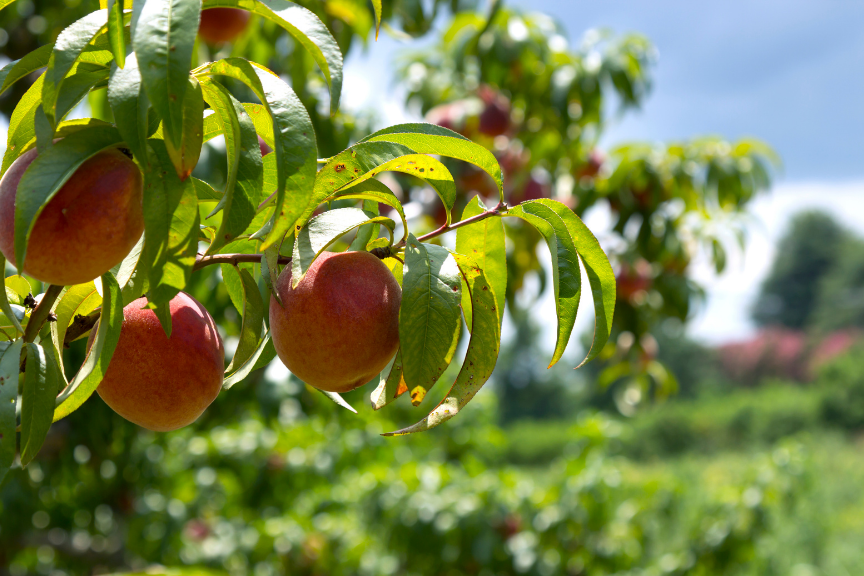
Orchard is a long-term investment and deserves a very critical planning. The selection of proper location and site, planting system and planting distance, choosing the varieties and the nursery plants have to be considered carefully to ensure maximum production. It is a clean cultivation – controls weeds and soil erosion and to conserve soil moisture in the orchard. Orchard Development refers to the process of planning, planting, maintaining, and managing orchards, which are areas of land dedicated to the cultivation of fruit-bearing trees. The development of orchards is essential for producing high-quality fruits, such as apples, citrus, grapes, peaches, and cherries. Orchard management involves a combination of agronomic practices, soil preparation, irrigation, pest management, and tree care to ensure optimal yield and fruit quality.
- Types of Orchards Orchards
It can be classified based on the type of fruit being cultivated or the method of planting.
- Fruit-based Orchards
- Citrus Orchards
- Apple Orchards
- Stone Fruit Orchards
- Nuts Orchards
- Grape Vineyards
- Method of Planting
- Traditional Orchards
- High-Density Orchards
- Super High-Density Orchards
- Planting the Orchard
Once the site is prepared and the necessary conditions are met, the planting process begins. Key steps in planting an orchard include:
- Choosing the Right Variety
- Spacing and Layout
- Tree Planting
- Stake and Support Systems
- Orchard Maintenance and Management
- Pruning and Training Trees
- Irrigation Management
- Fertilization
- Pest and Disease Management
- Pollination
- Harvesting
The timing of the harvest is crucial to ensure the best quality of fruit. Factors like fruit maturity, ripeness, and weather conditions affect the timing of harvesting.
- Manual vs. Mechanical Harvesting
- Post-Harvest Handling
- Technologies in Orchard Development
- Drones and Sensors
- Precision Agriculture
- Robotic Harvesting
Orchard development involves careful planning, management, and attention to various factors like climate, soil, irrigation, pest control, and harvest timing. Successful orchard management results in high-quality, high-yielding fruit production, but it requires a deep understanding of agricultural practices, technology, and market demands. By adopting sustainable practices, leveraging modern technologies, and understanding the ecological balance, orchard development can contribute to sustainable agriculture and food production.
Green House
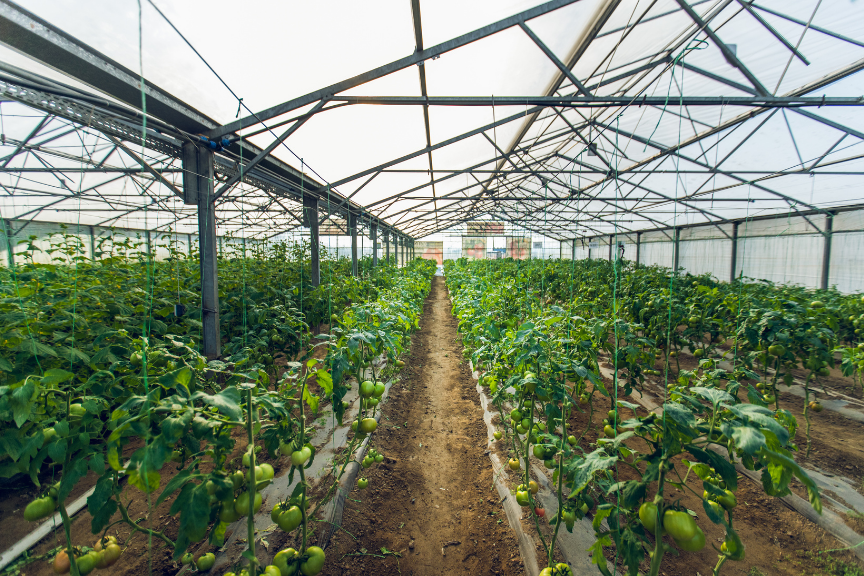
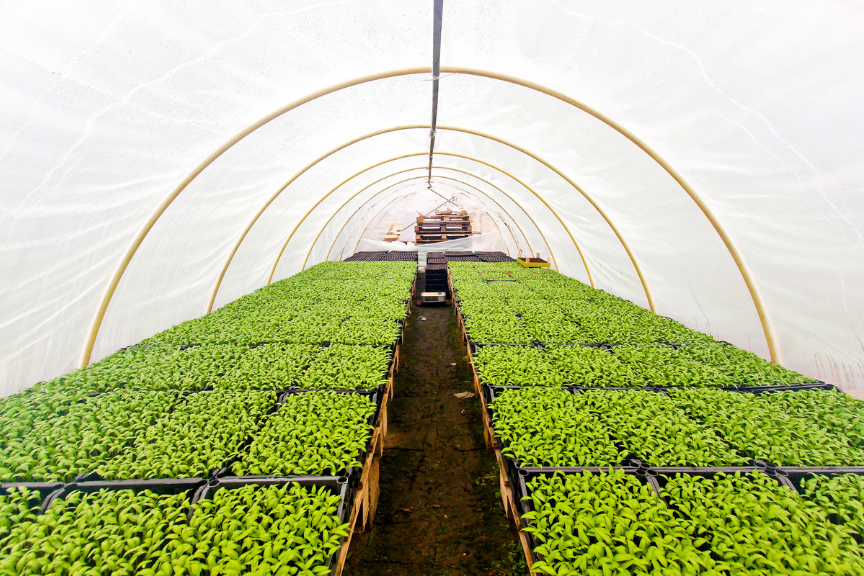
A greenhouse is a structure that is designed to regulate the temperature and humidity of the environment inside. It provides a sheltered environment for plants to grow even in cold weather. Greenhouse: Definition, Types, and Importance A greenhouse is a structure used to grow plants in a controlled environment, offering optimal conditions for plant growth by regulating factors such as temperature, humidity, light, and sometimes even carbon dioxide levels. Greenhouses protect from adverse weather conditions, pests, and diseases, enabling crops to grow throughout the year, regardless of external climate conditions. This controlled environment also allows for more efficient use of resources, higher yields, and improved crop quality.
- Types of Greenhouses
Greenhouses vary in design, materials, and the level of technology used. They can be categorized into the following types:
- Traditional Greenhouses
- Arch/Hoop Greenhouses
- A-Frame Greenhouses
- Ridge and Furrow Greenhouses
- Commercial/Advanced Greenhouses
- Hydroponic Greenhouses
- Glass Greenhouses
- Polycarbonate Greenhouses
- Automated/Smart Greenhouses
- Small-Scale Greenhouses
- Backyard Greenhouses
- Portable Greenhouses
- Components of a Greenhouse
A greenhouse consists of several key components that work together to create an optimal growing environment for plants:
- Frame or Metal or Wood or PVC
- Covering Material or Glass or Polycarbonate or Polyethylene Film or Shade Cloth
- Ventilation Systems or Manual Venting or Automatic Ventilation or Sidewall/Open Ventilation
- Temperature Control (Heating & Cooling) or Heating Systems or Cooling Systems or Thermal Screens
- Irrigation System or Drip Irrigation or Sprinklers or Hydroponic Systems
- Lighting Systems or LED Grow Lights or High-Pressure Sodium (HPS)
- Automation and Sensors
- Benefits of Greenhouses
- Extended Growing Seasons
- Optimized Growth Conditions
- Increased Productivity
- Water Efficiency
- Pest and Disease Control
- Reduced Environmental Impact
- Greenhouse Applications
- Commercial Production
- Research and Development
- Home Gardening
- Urban Farming
- Future Trends in Greenhouses
- Smart Greenhouses
- Vertical Farming
- Sustainability Practices
- Hydroponics and Aquaponics
Greenhouses are a vital tool for modern agriculture, offering many benefits like increased productivity, year-round growing potential, efficient water use, and protection from environmental factors. While the initial setup and operational costs can be high, the long-term advantages, particularly for commercial-scale farming, make greenhouses a worthwhile investment. As technology advances, greenhouses are becoming smarter, more efficient, and more sustainable, making them a cornerstone of modern food production.
Drip/Micro Irrigation
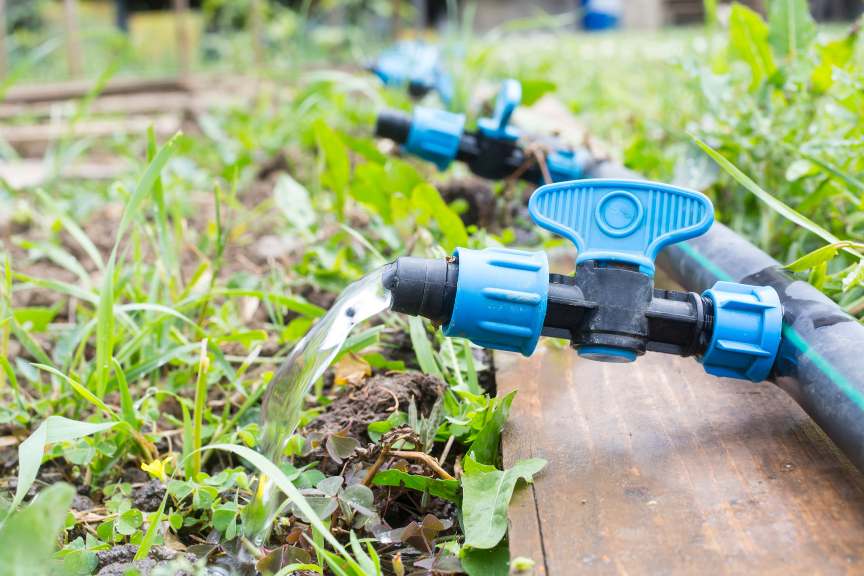
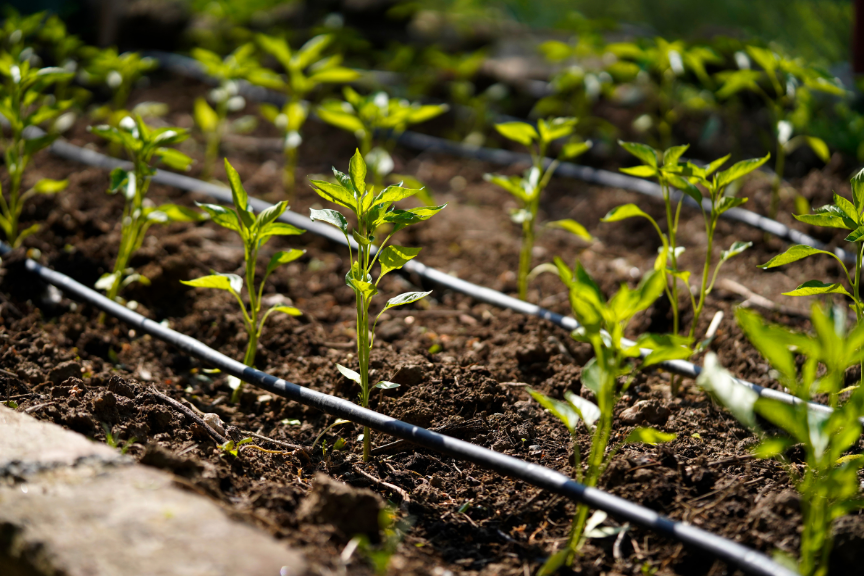
Drip irrigation uses emitters to drip water directly onto plants. It is best for hard clay soil. It is 90% efficient in irrigating farms. Micro-irrigation uses sprinklers to spray water over a wider area. It is best for sandy or loamy soil. It uses 20-50% of less water by conventional spray sprinklers. Drip Irrigation (also known as Micro Irrigation) is an efficient and targeted irrigation method that delivers water directly to the root zone of plants, typically through a network of tubes, pipes, emitters, and valves. This system minimizes water wastage by focusing water delivery directly where it’s needed, promoting healthy plant growth, and maximizing water use efficiency. Drip and micro-irrigation are particularly suitable for crops in areas with limited water resources or arid climates. Drip irrigation involves using a system of tubes or pipes to slowly deliver water to the roots of plants. Water is distributed in a controlled manner through emitters (also called drippers), which release water at a steady rate directly at the base of the plant. Micro-irrigation, often used interchangeably with drip irrigation, refers to smaller-scale irrigation systems, including drip and micro-sprinklers, that provide precise water application.
- Key Components of Drip/Micro Irrigation
A drip irrigation system typically consists of the following key components:
- Water Source
- Mainline and Submain
- Emitters (Drippers) or Pressure-compensating emitters or Non-pressure-compensating emitters
- Drip Tubing or Drip Lines
- Filters
- Valves
- Fertigation Equipment
- Pressure Regulators
- End Caps or Plugs
- Benefits of Drip/Micro Irrigation
- Water Conservation
- Improved Crop Yields
- Reduced Weed Growth
- Energy Efficiency
- Fertigation Integration
- Improved Soil Structure
- Flexibility and Customization
- Applications of Drip/Micro Irrigation
Drip and micro-irrigation systems are used in a variety of agricultural practices and applications:
- Field Crops
- Fruit Orchards
- Vegetable Farming
- Vineyards
- Greenhouse Crops
- Landscaping and Lawn Care
- Hydroponic Systems
- Drip/Micro Irrigation in Different Environments
- Small-Scale Farms
- Large-Scale Commercial Farming
- Urban and Peri-Urban Agriculture
- Arid and Semi-Arid Regions
Drip and micro-irrigation systems offer an efficient, sustainable, and cost-effective way to deliver water directly to the plants. The precise application of water promotes healthy plant growth, conserves water resources, and improves yields. Despite some challenges like initial installation costs and maintenance, the long-term benefits far outweigh these drawbacks. With the growing demand for water conservation in agriculture, drip irrigation is becoming an essential technique for farmers and gardeners worldwide. It is particularly advantageous in areas facing water scarcity, ensuring that crops can be grown efficiently while minimizing environmental impact.
Indoor Garden
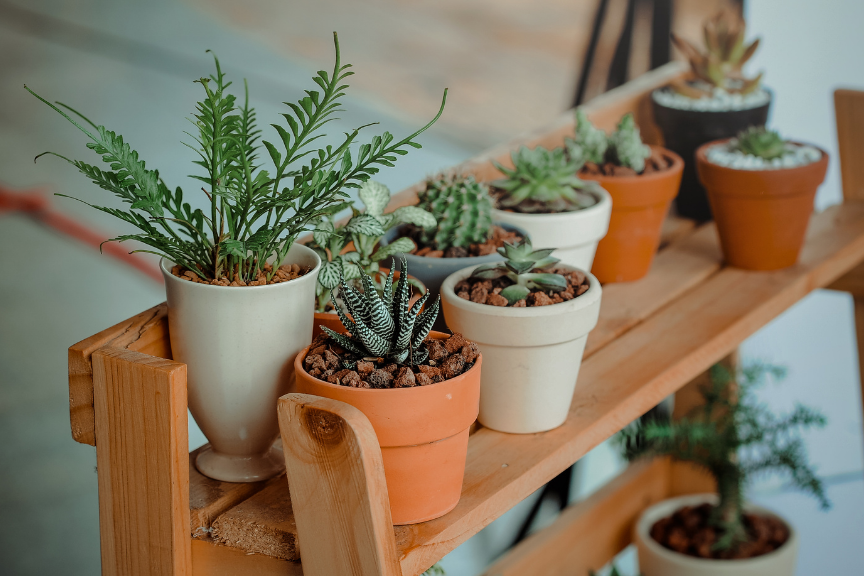

An indoor garden refers to growing plants inside your home, typically in containers or pots. This practice has gained popularity in recent years, especially among urban dwellers and those with limited outdoor space. Indoor gardening offers a convenient and accessible way to cultivate a variety of plants, from herbs and vegetables to decorative flowers and succulents. Indoor gardens can vary from simple setups to more complex systems, including hydroponics and vertical gardens. They offer the potential for year-round growing, regardless of outdoor weather conditions.
- Benefits of Indoor Gardening
- Fresh, Homegrown Produce
- Improved Air Quality
- Aesthetic Appeal
- Stress Relief and Wellbeing
- Educational Opportunity
- Space and Water Efficiency
- Types of Indoor Gardens
There are various ways to create an indoor garden, depending on available space, time, and interest. Here are some of the most popular types:
- Container Gardens
- Hydroponic Gardens
- Aquaponics
- Vertical Gardens
- Window Gardens
- Terrariums
- Choosing Plants for an Indoor Garden
The best plants for indoor gardens depend on factors like the amount of natural light, temperature, and space available. Here are some common indoor plants:
- Herbs: Ideal for small containers or hydroponic systems. They require less space and thrive in moderate sunlight.
- Popular options: Basil, parsley, cilantro, thyme, mint, oregano, and chives.
- Leafy Greens: Many leafy vegetables grow well indoors in containers or hydroponic systems.
- Popular options: Lettuce, spinach, kale, arugula, and Swiss chard.
- Fruits: Dwarf fruit trees or compact varieties of fruiting plants can be grown indoors
- Popular options: Dwarf tomato plants, strawberries, dwarf citrus trees (lemons, limes), and indoor berry plants.
- Flowers: Many ornamental flowers thrive indoors and can add beauty to your indoor garden.
- Popular options: African violets, peace lilies, orchids, begonias, and geraniums.
- Succulents and Cacti: These plants require minimal care and are perfect for beginners.
- Popular options: Aloe vera, snake plants, jade plants, and various types of cacti.
- Air-Purifying Plants: Certain indoor plants are known for their ability to filter and purify the air.
- Popular options: Spider plant, snake plant, peace lily, pothos, and English ivy.
- Key Considerations for Indoor Gardening
- Light Requirements
- Grow Lights
- Full-spectrum LED lights
- Watering Needs
- Temperature and Humidity
- Soil and Fertilization
Indoor gardening offers a rewarding way to grow fresh food, improve your home environment, and reduce stress. With the right plants, proper care, and attention to light, temperature, and water needs, anyone can enjoy the benefits of an indoor garden. Whether you’re growing herbs on your kitchen windowsill or creating a full-fledged hydroponic system, indoor gardening is a versatile and accessible way to bring nature indoors.
Vertical Farming
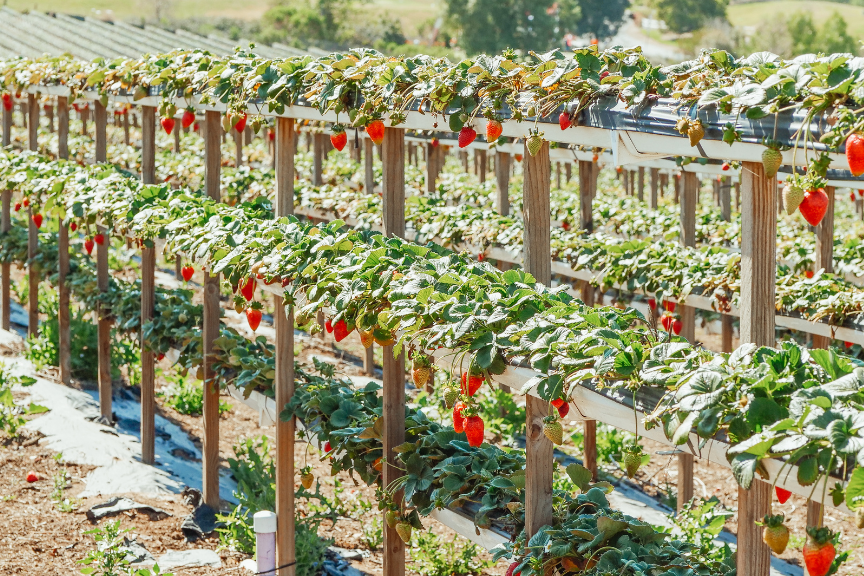
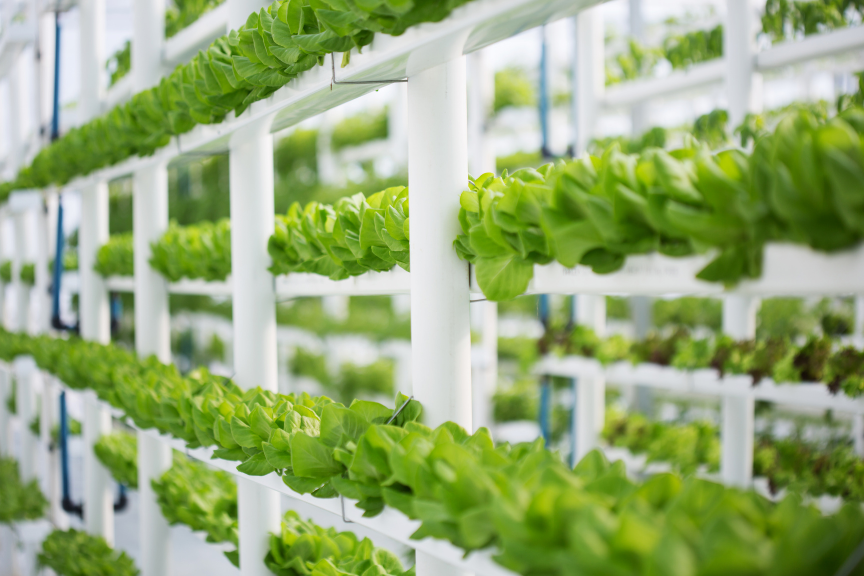
Vertical farming refers to the system of cultivating crops in vertically stacked layers, instead of a single surface, like a greenhouse or field.Vertical farming maximises land usage. By growing crops vertically instead of horizontally, a large number of crops can be grown in the same area. This leads to higher crop yield. Vertical farming is a method of growing crops in vertically stacked layers or in vertically inclined surfaces. It takes place in controlled indoor environments such as warehouses, skyscrapers, or shipping containers. This farming technique uses less land space, making it an ideal solution for urban environments where available land is scarce and expensive. Vertical farming is a key component of urban agriculture and plays a significant role in enhancing food security, particularly in regions with limited agricultural space. Vertical farming employs various soil-based or soil-less growing systems, including hydroponics, aeroponics, and aquaponics. These methods are often combined with advanced technologies like artificial lighting (LED), climate control, and automation to optimize plant growth and resource efficiency.
- How Vertical Farming Works?
Vertical farming involves stacking plants in layers or shelves, either in a controlled indoor environment or outdoors. These farms are designed to maximize space while minimizing environmental impact. The key factors that differentiate vertical farming from traditional farming include:
- Layered Growing Systems
- Soil vs. Soil-less Systems
- Hydroponics
- Aeroponics
- Aquaponics
- Environmental Control
- Automation and Data Monitoring
- Types of Vertical Farming Systems
Vertical farming can be classified based on the growing technique and the infrastructure used. The three most common systems are:
- Hydroponic Vertical Farming or Deep Water Culture (DWC) or
- Nutrient Film Technique (NFT) or Wick System or Ebb and Flow (Flood and Drain)
- Aeroponic Vertical Farming
- Aquaponics
- Benefits of Vertical Farming
- Land Efficiency
- Water Conservation
- Reduced Transportation Costs and Carbon Footprint
- Year-Round Production
- Pesticide-Free Growing
- Higher Yields g. Reduced Soil Erosion and Land Degradation
- Applications of Vertical Farming
- Urban Agriculture
- Commercial Farming
- Food Security and Sustainability
- Educational and Research Purposes
- Retail and Restaurant Integration
- Future of Vertical Farming
As technology continues to advance, vertical farming is expected to become more efficient, sustainable, and scalable. Some key trends in the future of vertical farming include:
- Automation and AI: Increasing automation and artificial intelligence (AI) will streamline operations, improve monitoring, and reduce labor costs in vertical farms.
- Sustainability: Vertical farms will continue to integrate renewable energy sources, like solar and wind power, to reduce reliance on grid electricity.
- Integration with Smart Cities: Vertical farming systems could be integrated into urban infrastructure such as rooftops, warehouses, and even transportation hubs, contributing to sustainable, self-sufficient urban ecosystems.
Vertical farming is a revolutionary approach to agriculture that offers numerous benefits, including efficient land use, water conservation, and year-round crop production. While it presents challenges like high initial costs and energy consumption, the potential for sustainable, localized food production makes it a promising solution for the future of farming, especially in urban areas. As technology advances and economies of scale are realized, vertical farming has the potential to become a vital part of the global food system, helping to meet the growing demand for food while minimizing environmental impact.
Landscape Irrigation
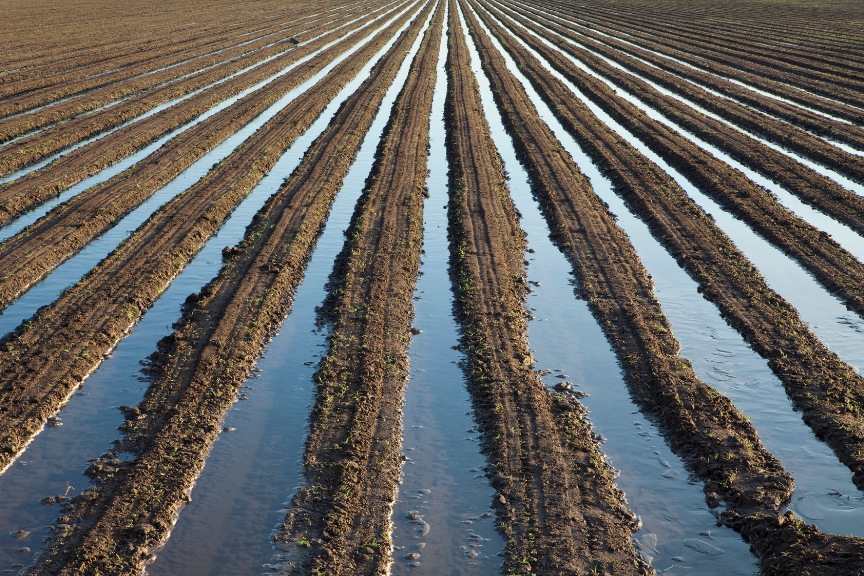
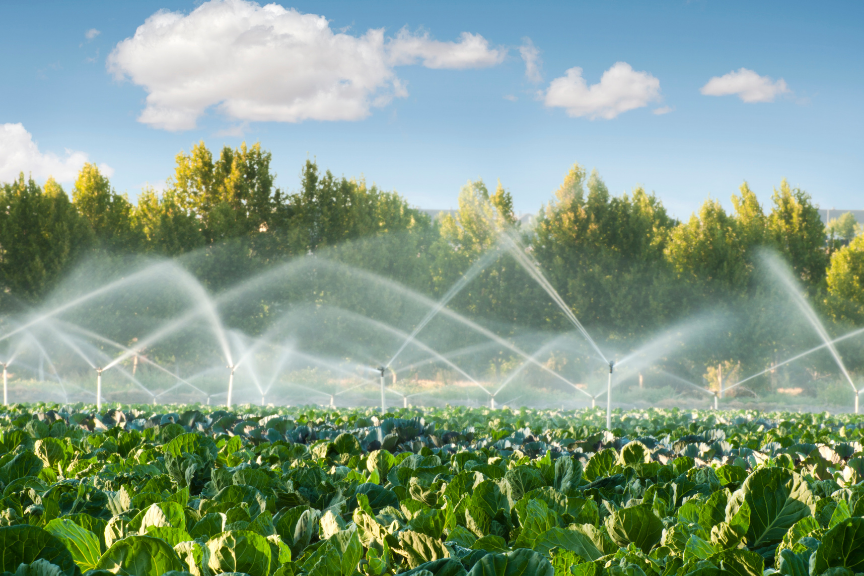
The primary goal of installing a water-wise landscape is to reduce the need for supplemental irrigation while still maintaining a healthy and attractive landscape. It properly designed and well-managed system will apply water only when it is needed and only the amount necessary to replenish the soil moisture that has been lost due to evaporation from the soil and transpiration from the plants. Landscape irrigation is the practice of applying water to maintain the health and appearance of plants, lawns, gardens, and other outdoor areas. This is essential for landscaping in both residential and commercial settings, particularly in regions with insufficient rainfall or during dry seasons. Efficient landscape irrigation ensures that plants receive adequate water while conserving resources and preventing water wastage. Landscape irrigation systems can range from simple manual watering with hoses or sprinklers to advanced automated irrigation setups. The goal of landscape irrigation is to deliver the right amount of water at the right time to meet the needs of the plants without causing runoff or water waste.
- Importance of Landscape Irrigation
Landscape irrigation plays a crucial role in maintaining the aesthetic appeal, health, and growth of various types of vegetation, including lawns, shrubs, trees, and flowers. Here are the main reasons why it is important:
- Plant Health
- Water Conservation
- Soil Health
- Cost-Efficiency
- Benefits of Proper Landscape Irrigation
- Water Conservation
- Time and Labor Savings
- Improved Plant Growth
- Cost Savings
- Environmental Impact
Landscape irrigation is essential for maintaining healthy, attractive outdoor spaces while conserving water and resources. By choosing the right irrigation system and maintaining it properly, homeowners and businesses can create beautiful landscapes, reduce water usage, and minimize environmental impact. Whether using traditional sprinkler systems, advanced drip irrigation, or smart automated systems, the key to successful landscape irrigation lies in selecting a method that suits the specific needs of the plants, climate, and available resources.
Agri Services
- Seeds
- AMC(Annual Maintenance Contract) Based Farm Management
- Farm Automation
- Agri Robotics
- Orchards Development
- Green House
- Drip/Micro Irrigation
- Indoor Garden
- Vertical Farming
- Landscape Irrigation